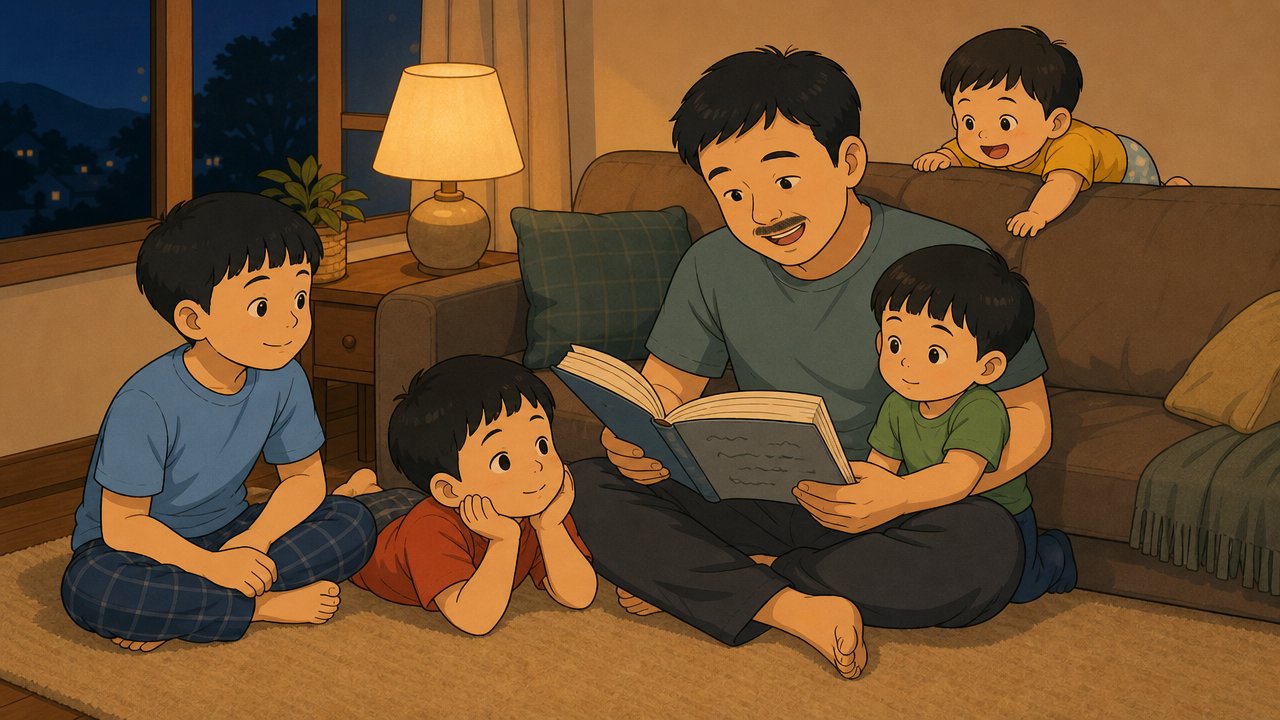
I have four sons. Same parents, same house, same dinner table — and four completely different ways of being a boy. Long before I had ever heard the phrase child temperament types, I could see the whole thing playing out at breakfast.
One of them wants to know the plan. Not because he’s anxious — knowing what comes next is just how his day sits right. One is out exploring, and where he goes, events happen. Not disasters exactly. Events. One is quietly working, all day long, at keeping the peace between everyone else. And the youngest is playing king, ruling the house from two feet off the ground, still too young for anyone to say what his wiring really is.
For years I ran the same playbook on all four of them. Same tone, same reasoning, same consequences. Then I’d stand there wondering why a sentence that landed perfectly on one son slid straight off the next one like I hadn’t said anything at all. I assumed I was being inconsistent. I assumed I needed to be firmer, or more patient, or better at this.
What actually changed it wasn’t a parenting trick. It was a fairly boring idea out of developmental psychology, and I only ran into it because I’d run out of my own ideas: temperament. Learning the child temperament types didn’t make me a better dad overnight, but it finally explained what I’d been getting wrong.
Your kid came pre-wired
In the 1950s, two researchers named Alexander Thomas and Stella Chess followed 133 children from infancy into adulthood. What they found was that babies show up with their own behavioral style already installed. How hard they react. How they handle a new thing. How much routine they need. How loudly the world’s noise and textures land on them.
Not personality built by parenting. Wiring, there from the start.
But the part that actually mattered to me was what they found about the parents. How a kid turned out wasn’t predicted by which temperament he had. It was predicted by the fit between his wiring and how the people around him responded to it. They called it “goodness of fit.” A demanding kid with a well-matched parent often did fine. An easy kid in a house that never quite saw him could quietly struggle.
Which means the wiring isn’t the verdict. The fit is the part we actually have our hands on.
So the question I’d been asking — how do I fix this behavior — turned into a better one. What is this kid actually wired like, and what does he need from me because of it?
Before the list, one thing
No test is going to define your child. Not this one, not any of them. Twelve questions can’t hold a person, and anything that claims otherwise isn’t worth your evening.
What a framework like this is actually good for is smaller and more useful than that. It helps you ask better why’s. Why the same bedtime routine settles one son and starts a war with another. Why one of them needs tomorrow read out loud before he can sleep and another one can’t stand hearing it.
It doesn’t put your kid in a box. It just gives you somewhere to point the flashlight.
That’s how I’d want you to hold everything below.
The 7 child temperament types
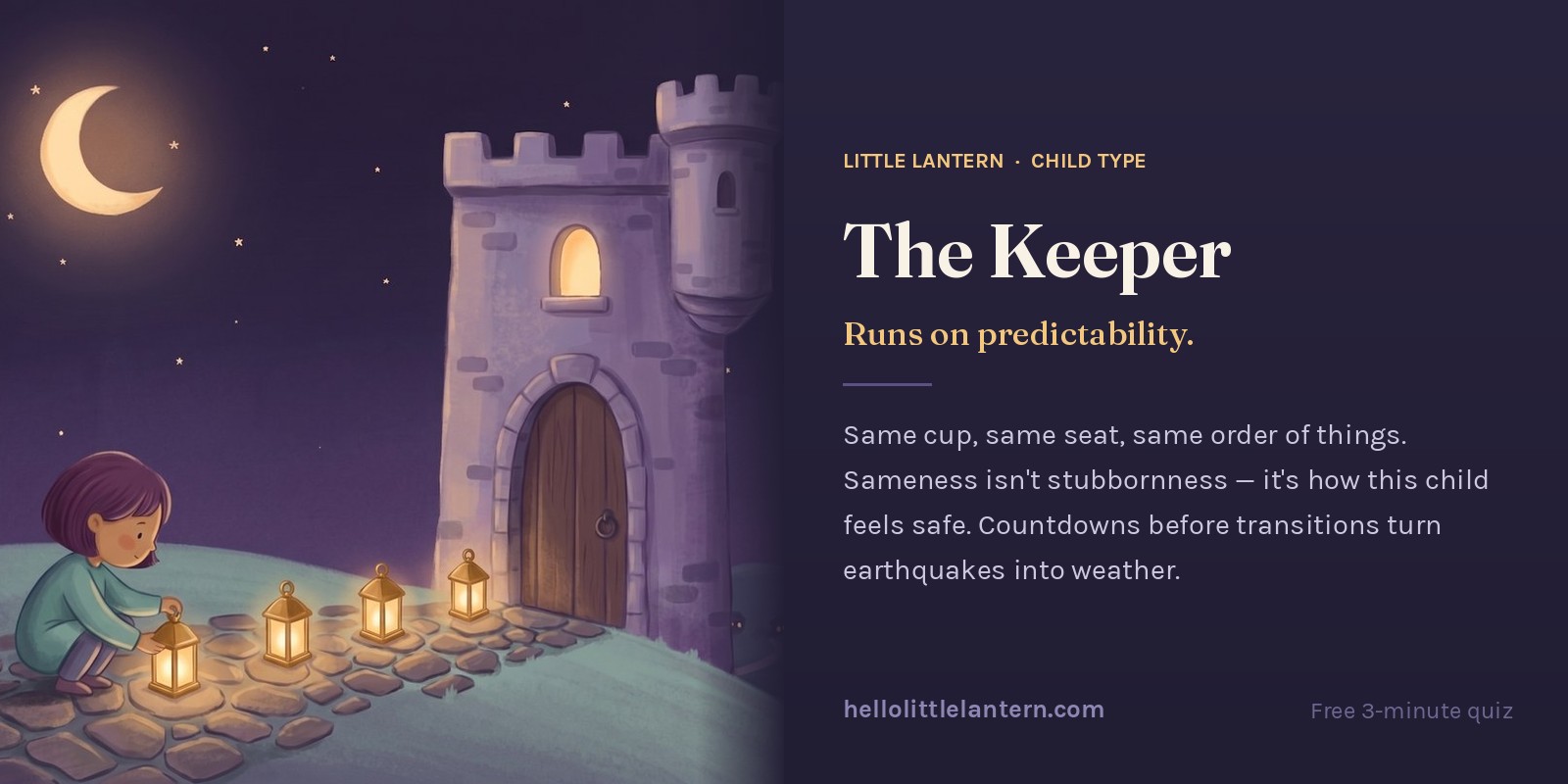
The Keeper runs on predictability. Same cup, same seat, same order to things. That isn’t stubbornness — it’s how he feels safe. This is the son who needs to know what we’re doing tomorrow before he can properly finish today. Countdowns before transitions help. So does telling him about a change before it lands on him, and letting him own his own routines. Grown up, this is the one whose homework is done and whose promises hold.
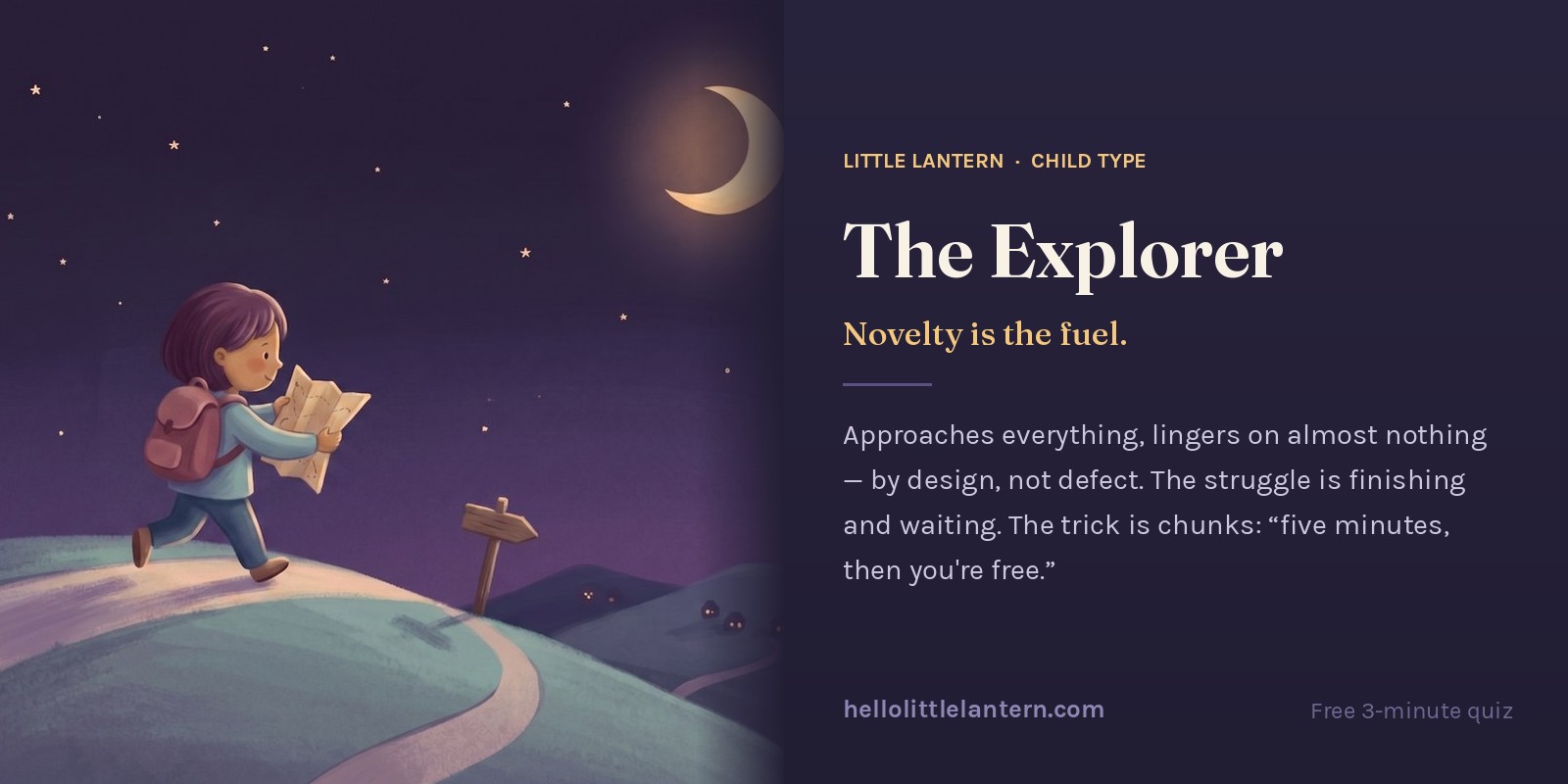
The Explorer approaches everything and stays with almost nothing, and that’s the design, not a defect. New is fuel. This is my event-causer — ten discoveries an hour and a trail of evidence behind him. Finishing is the hard part. So is sitting still, and waiting. Chunks work better than lectures: five minutes, then you’re free. And when life changes — new school, new city, new country — he’s fine in about a week. If you’re raising kids across borders like we are, that’s not a small thing. The Explorer is usually the first one in the family to make a friend in a language he doesn’t speak yet.
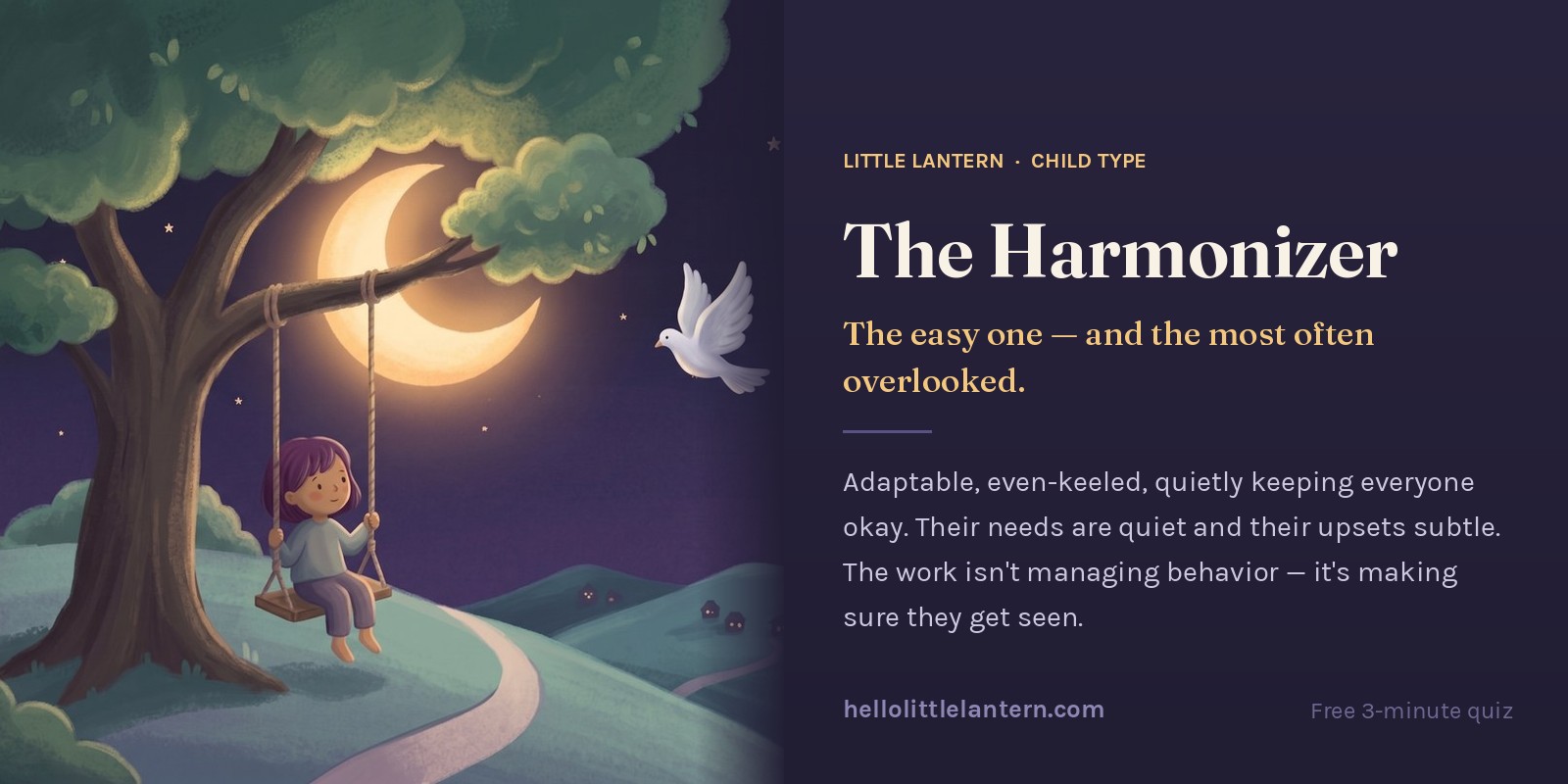
The Harmonizer is the easy one. Adaptable, even, quietly working to keep everyone okay. I’d underline this one twice, because I’m raising one: easy kids get overlooked. Their needs are quiet, their upsets are small, and in a loud house full of brothers they can learn to take up less room. With a Harmonizer the work isn’t managing behavior. It’s making sure somebody actually asks him what he wants, and then waits long enough to hear the answer.
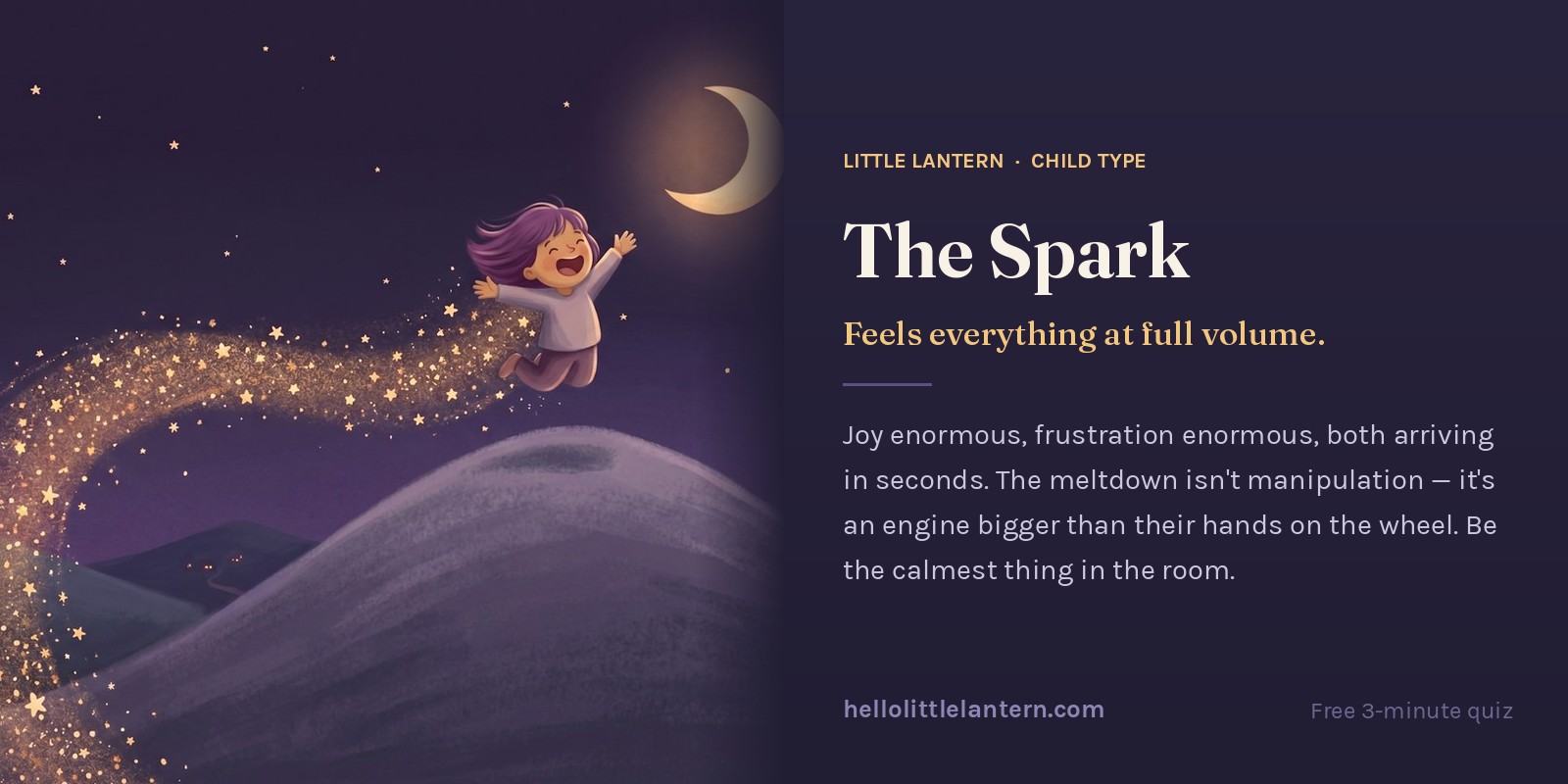
The Spark feels everything at full volume. Joy enormous, frustration enormous, both arriving in about four seconds. The meltdown isn’t a strategy — it’s an engine bigger than his hands on the wheel. What a Spark needs is for you to be the calmest thing in the room, and to name the feeling before you explain anything. The talking works about ten minutes after the crying, not during.
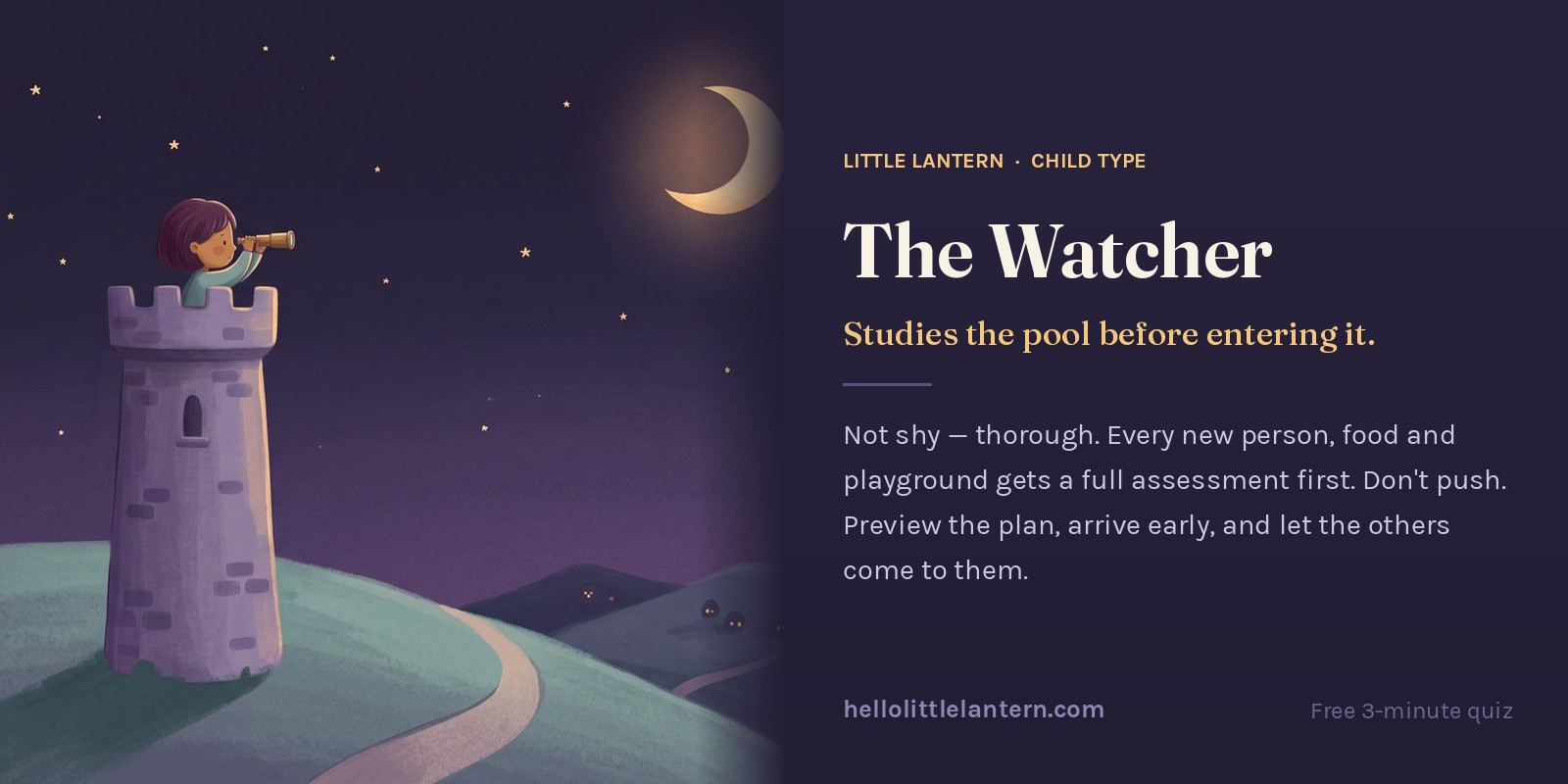
The Watcher studies the pool before getting in. Every pool, every time. Not shy — thorough. And once he’s in, he’s often the most committed kid there. Don’t push him in. Tell him the plan, get there early, and let the other kids come to him.
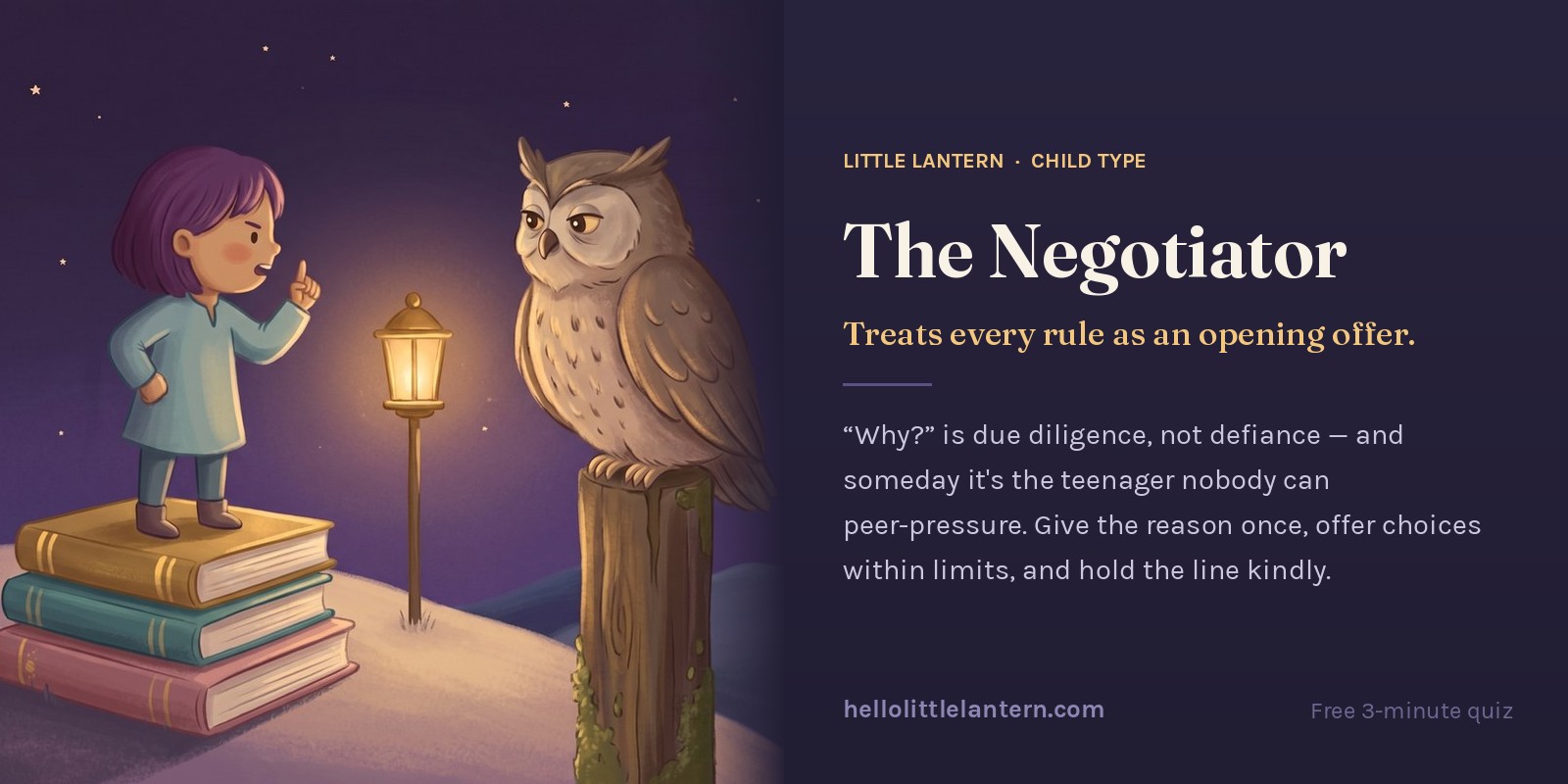
The Negotiator treats every rule as an opening offer. “Why?” isn’t defiance, it’s due diligence — and it’s the same wiring that grows into a teenager nobody can talk into anything. Give the reason once. Offer real choices inside the limits. Then hold the line, kindly.
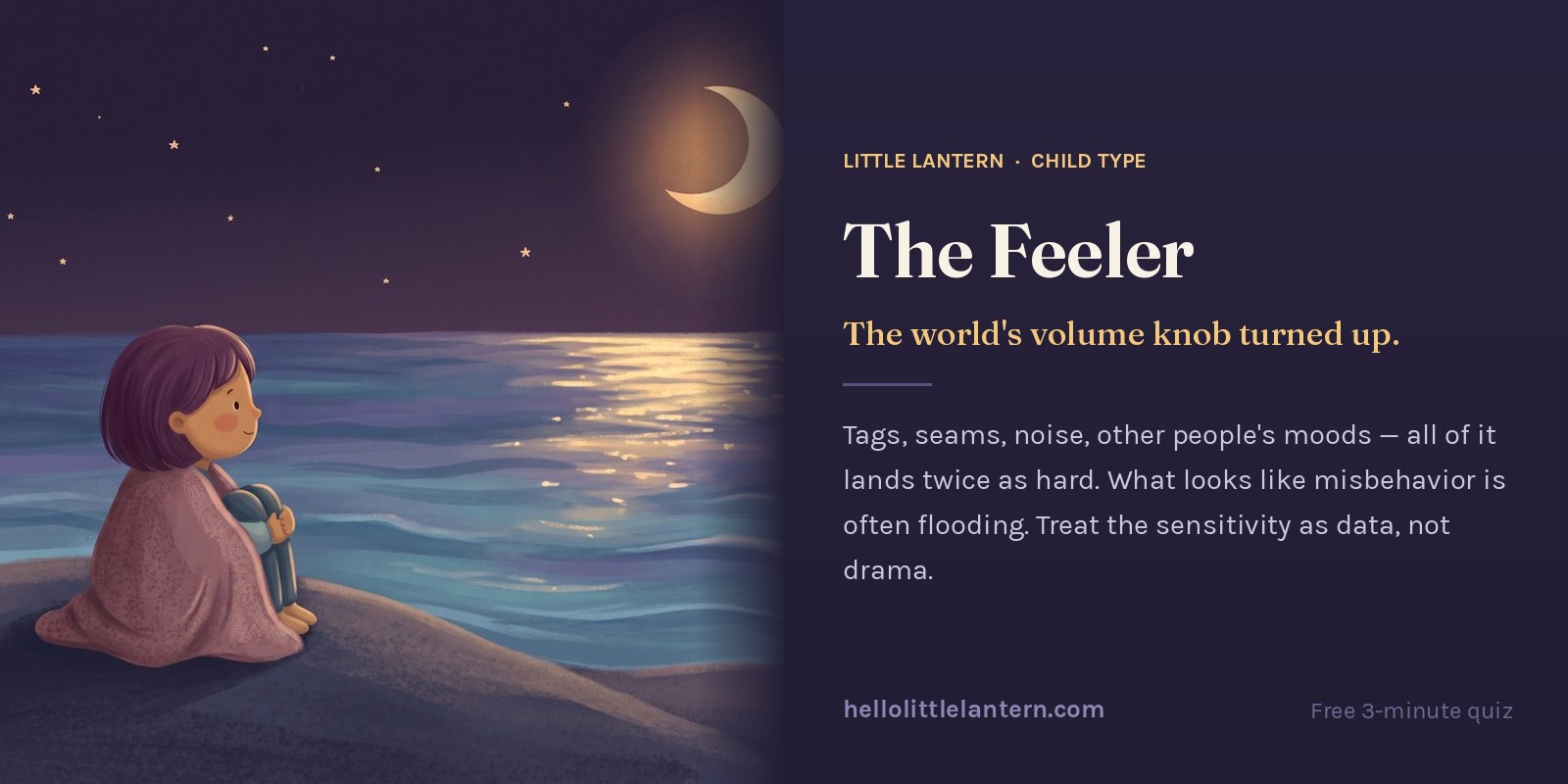
The Feeler has the world turned up too loud. Tags, seams, noise, other people’s moods. What looks like misbehaving is often just flooding. Cut the tag out. Say out loud when you’re leaving and how. Treat the sensitivity as information instead of a problem, and you end up raising the kid who notices someone is sad before anyone else in the room does.
About the two-year-old
About my resident king: I didn’t type him, and I’d be suspicious of anything that confidently typed a two-year-old. At that age, big energy and big feelings are the job description. The wiring is still showing up. An honest read says so instead of forcing a label onto it early. Watch him, enjoy him, check back in a season.
Why a loosely-held name helps
When my wife and I can say to each other, “he’s not fighting you, he just didn’t get a countdown,” we’re a team for a second instead of two tired people improvising at the end of a long day. That’s the whole value of it. The name isn’t for the kid — he doesn’t need to know he’s a Keeper, and I’d rather he didn’t grow up thinking of himself as a category. It’s for the adults, so we stop taking wiring personally.
That’s really Thomas and Chess’s entire point about fit. The environment adapts.
The environment is us.
The thing I built
That’s also why I made Little Lantern. It’s a free quiz — three minutes, twelve situational questions about your child, and you land on one of the seven above with one thing to try tonight. It’s illustrated like a bedtime book, because I built it for the parent scrolling at eleven at night after a hard evening. Which is to say I built it for me. No sign-up.
Take it here → hellolittlelantern.com
If you’ve got more than one kid, run it for each of them and put the results side by side. That’s usually where the “oh — that’s why” happens.
It won’t define your kids. It might explain a few of the why’s.
Tell me which one walks around your house. I read everything.
Little Lantern is a tool for understanding, not a diagnosis — you know your child better than any quiz does. Based on the Thomas and Chess temperament framework (1977) and the goodness-of-fit model.