We flew to Korea together, Number 3 and I, both of us there for the same reason. He has chronic ear trouble and his tubes needed looking at. I’d lost the hearing in my right ear to an infection and my wife had finally told me to stop ignoring it and go get it checked properly.
His appointment took half a day.
Mine took three months, and for most of it my wife was in Cambodia running our family and a relief operation at the same time, by herself. This is an article about solo parenting, and I’m not the one who did it.
The Ear I’d Been Putting Off Since I Was Eight
I’ve had bad ears my whole life. My first surgery was at eight years old, which is the age Number 1 is now, and that arithmetic sits oddly with me every time I do it.
The infection that took the hearing on my right side was the one I couldn’t outlast. I still put off going, the way you do when leaving means somebody else absorbs everything you were carrying. My wife made the call for me. She usually does, on the ones I’m avoiding.
The doctors in Korea found I needed my eardrum rebuilt — a tympanoplasty, which is a real operation and not the tidy outpatient thing I’d been telling myself it would be. Afterward I was grounded. No flying until it healed. They estimated two months.
It ran to three.
Three Months, and Only the First Weeks Were About Healing
Here’s the part I want to be honest about, because “I was recovering for three months” is a more flattering sentence than the true one.
The first stretch was genuine incapacity. Weeks of it, flat, waiting for scars to close properly, no lifting, nothing.
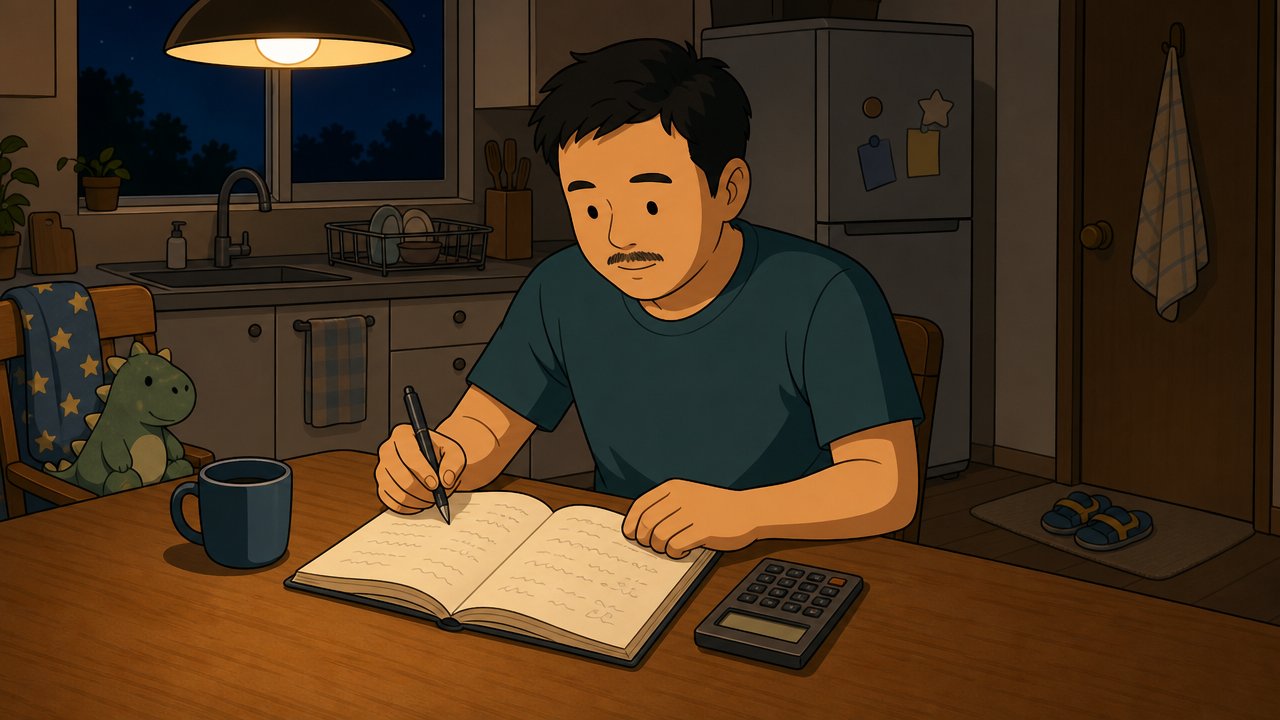
But after that I was fine. Not fine enough to fly — that took the full three months — but fine enough to move around Korea, and so I did. I traveled. I helped with work there. I was useful again, in the wrong country, while my wife did every single thing in the right one.
That’s the shape of it. I was not laid up for three months. I was absent for three months, and only the first part of that was my body’s fault.
Solo Parenting Was Not a Choice She Made
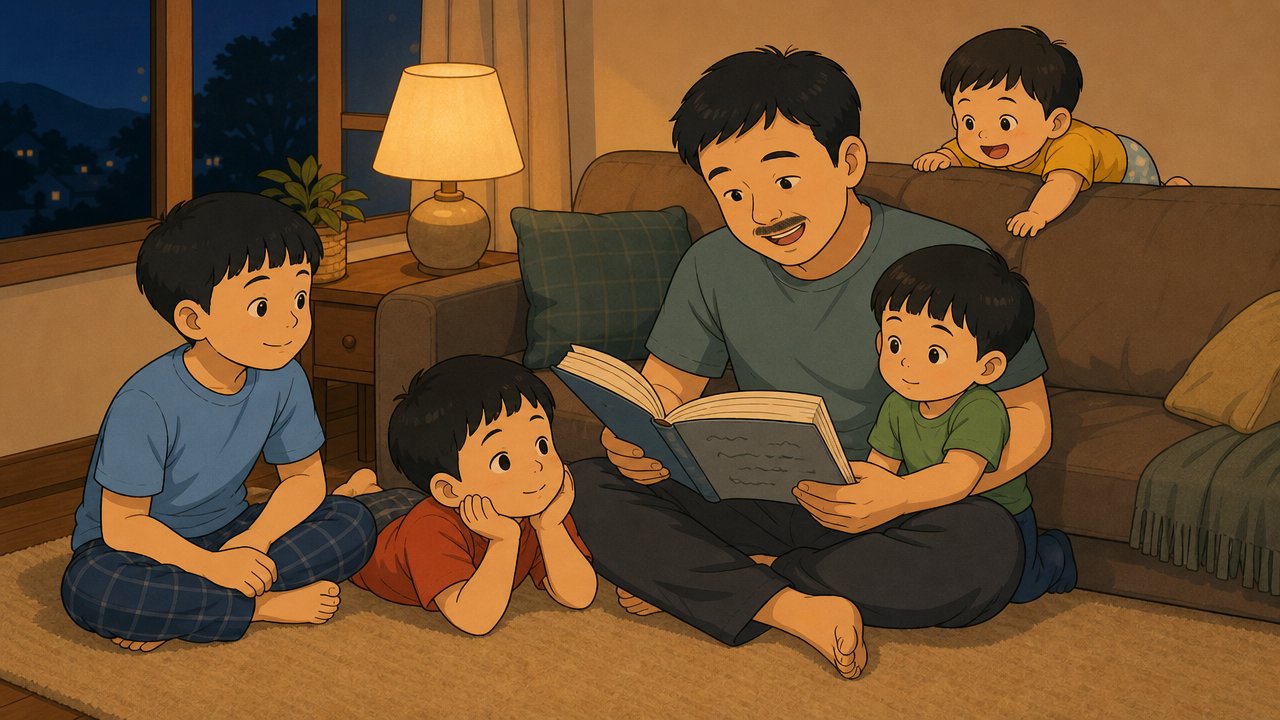
She had Numbers 1, 2 and 4 — an eight-year-old, a seven-year-old, and a toddler — in Battambang, with no partner and no backup.
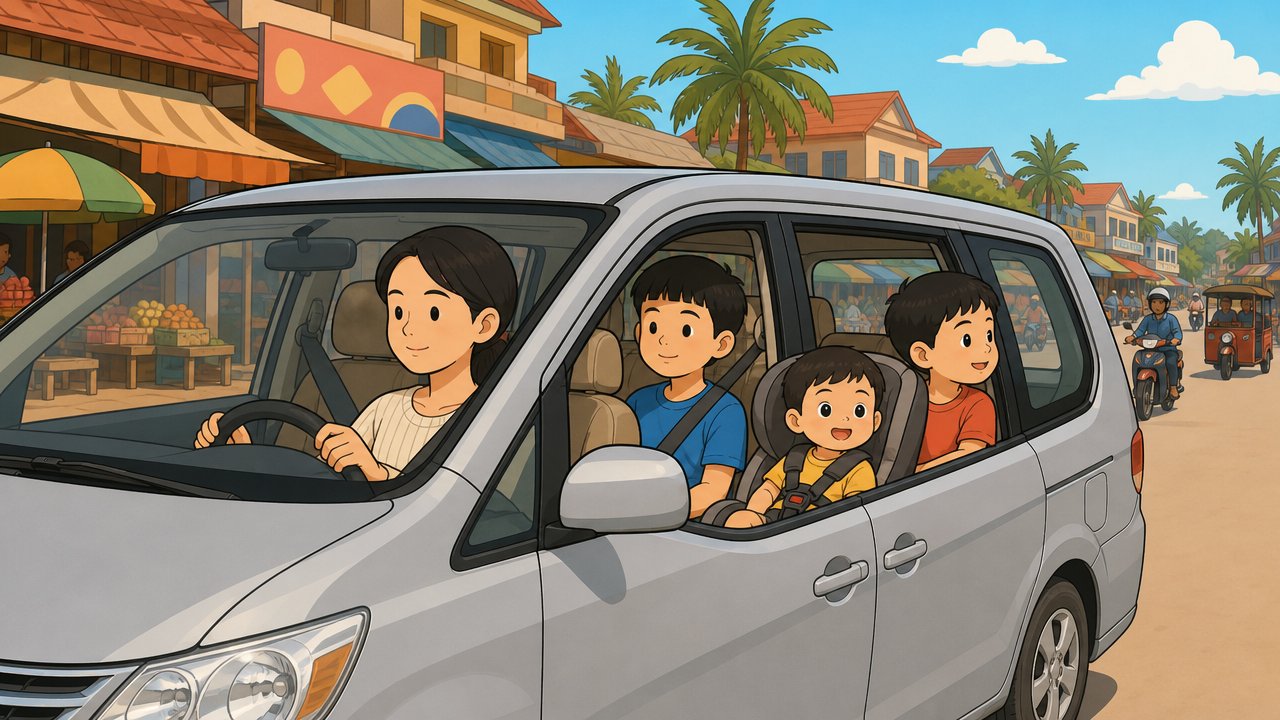
The detail that tells you the most: she hadn’t driven in a long while. Her confidence behind the wheel was gone, properly gone, the kind of gone where you arrange your whole life to avoid the thing.
And it stopped mattering immediately, because there was nobody else to do it. So she drove. School runs, market, everything, in Cambodian traffic, starting from a standing start of I-don’t-do-this-anymore.
That’s what solo parenting actually looks like when it isn’t a scheduling arrangement. It’s not one parent covering a business trip. It’s every fallback being removed at once and the person left standing having to become someone slightly different by Tuesday.
Meals, bedtime, school, sick days, the whole machine — three months, alone, in a country that isn’t hers, with the one adult who normally shares it reachable only by phone in a different time zone.
She Didn’t Just Hold the Line
If the story ended there it would already be more than I’d have managed. It doesn’t end there.
That same season, our church and ministry network were working across four displacement camps near us — food, hygiene supplies, going back week after week, learning families’ names rather than doing a single drop-off. I’d been part of that until I got on the plane.
She kept going without me. Solo-parenting three boys and still making the visits.
And it was on one of those visits that she and Number 1 found out that fifty or sixty children at that camp, kids his own age, had nothing for school. No notebooks, no pencils, no uniforms. Children who’d been in classrooms a few months earlier with no way back into one.
So she raised what she could from our network and put together a supply run — pencils, notebooks, sharpeners, erasers, uniforms, enough for every child there who needed a set. She and Number 1 went and handed them out.
I want to be precise about the sequencing, because it’s the part that gets me. She was already at capacity. She was doing my job and hers. And from inside that, she took on something extra that nobody would have asked of her, that had no deadline forcing it, and that she could have declined with the cleanest conscience in the world.
The Parent Who Could Actually Talk to Cambodia Was the One Still There
There’s a piece of luck buried in this that I’ve thought about a lot since.
My wife speaks fluent Khmer. I don’t. In any conversation with a teacher, a neighbor, a vendor, a family at a camp, she is the one who is actually there and I am the one standing nearby waiting to be told what happened.
So when my body took me off the roster, the parent who could speak to the country my children live in was the one who stayed. If it had gone the other way around — if she’d been the one grounded in Korea for three months and I’d been left in Battambang with three boys and my handful of Khmer — that is a genuinely worse version of this story, and I don’t think it’s close.
I didn’t plan that. Nobody builds a family around which parent it would be less catastrophic to lose for a season. But it’s worth naming, because a lot of what looks like resilience in a family is really just which gaps happened to get covered.
I Heard About the Best Moment Secondhand
Number 1 didn’t hide behind his mother at that camp. He crouched down and put the bags into other children’s hands himself — close enough in age to the kids receiving them that the only real difference between the boy giving and the boy taking was circumstance.
That’s the moment I’d point to if you asked me when I first saw the shape of who my oldest son is going to be.
I wasn’t there. I got it afterward, from other people, in a country where my ear was healing.
I don’t have a redemptive line for that. It’s just the bill. You don’t get to be the person who holds everything together and also the person who never misses anything — and when your body picks the timing, it doesn’t consult you about which season it takes.
The Schedule Is Not the System
I write a lot here about systems. Morning routines, chore structures, a daily schedule that survives contact with four children. I believe in all of it and I’d defend every piece.
But that three months settled something for me that no amount of chart-building had.
The schedule isn’t the system. The other adult is the system. Everything I design is a convenience layered on top of one actual load-bearing fact, which is whether the person you built this with will stand up when the structure loses a leg with no notice.
Mine did. For three months, at a standing start, while also driving to camps she didn’t have to go to.
She behaves, day to day, like she relies on me for a great deal. I now have three months of evidence that this is a generous fiction and she is entirely capable without me. That should probably bruise something. It doesn’t. It’s the most reassuring thing I know about my own family.
What I Came Back With
I got my hearing back. That was the point of the trip and it worked, and I don’t take it lightly — it’s the ear I’d been neglecting since I was a kid.
I also came back to a house that had not needed me to keep functioning, which is a strange and good thing to walk into.
Number 3 and I had flown out together for the same problem. His took half a day. Mine took three months, and what it actually cost was not the surgery.
It was a season where the best thing that happened in my family happened without me in the room — and the reason the rest of it held is that I’m married to someone who drove the van anyway.